
Glossary sheet
Cholesterol, in plain words
Cholesterol is not a poison: it is a building block every cell uses. The story is in the particles that carry it, and in the years they spend traveling.
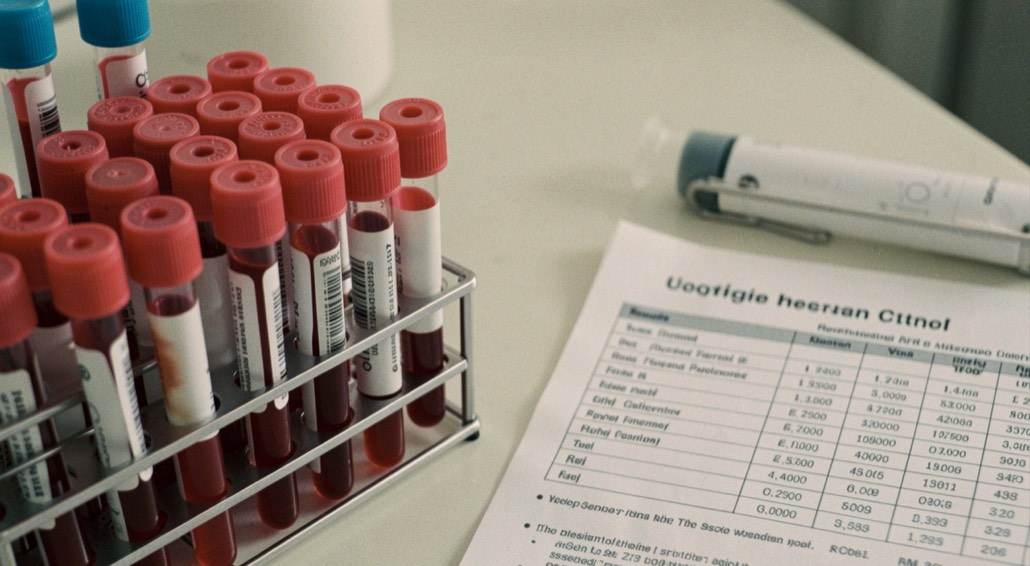
Cholesterol is a waxy, fat-like substance that the body manufactures itself, mostly in the liver, and that every cell uses: membranes, hormones and vitamin D all draw on it. Only part of the total comes from food. It is not a poison and not a foreign substance; it is logistics. Because fat does not dissolve in blood, the body packs it into particles that do, and those particles, not the cholesterol itself, are what a laboratory counts.
LDL, HDL and the particle story
LDL, low density lipoprotein, carries fats outward from the liver to tissues. At sustained high levels, some of it lodges in artery walls and participates, with immune cells and calcium, in the buildup called atherosclerosis: this is the sense in which it is called bad. HDL, high density lipoprotein, participates in the return trip, carrying fats back toward the liver, which earned its good shorthand. The shorthands are blunt instruments: what research tracks is the balance of fractions over years, plus triglycerides, the third number on the standard panel.
How it is measured
A lipid panel is a blood test, often after a short fast when a clinician requests it, reporting total cholesterol, LDL, HDL and triglycerides. Screening cadence depends on age, family history and other conditions, and the decision about it belongs in a checkup rather than in self-prescribed lab tourism. The reason to measure is that the process is silent: atherosclerosis develops for decades without symptoms, as the glossary's atherosclerosis entry notes, and a lipid panel is one of the few ways to see the trajectory early.
What moves the fractions
The same habits that recur across this magazine move cholesterol in the direction public bodies describe: eating patterns built on vegetables, whole grains, legumes and fish, replacing solid fats with liquid oils; regular activity; and not smoking. Genetics sets a real ceiling on what habits alone can do, which is why some readers with excellent habits still carry high numbers, and why the interpretation of a panel, and any treatment of it, belongs to a clinician. This magazine describes mechanisms, never therapies.
Related entries: blood pressure is the other great silent measurement and has its own sheet; the heart health numbers page shows how the lipid panel sits in the full dashboard, and the heart healthy foods guide is where the eating pattern behind these fractions becomes groceries and dinners.
Cholesterol is read from a blood sample, and reading is what these pages ask of their subject: questions to ask before paying a deposit belongs to choosing private addiction care, the weeks after hip surgery describes a recovery calendar, and how this magazine explains medical words sets out the method behind this glossary.
Public sources cited on this page
Continue in the glossary
- blood pressureAnother sheet of the signature resource.
- The full indexEvery term, one sentence each.